

1 : 1One counterpart, from architecture to deployment

Software in production in weeks, not quarters.

I design, build and ship prototypes, MVPs and critical integrations end-to-end: architecture, code, infrastructure. One technical counterpart — no handoffs, no weeks lost translating specs between vendors.

A written reply within 48 hours. If it isn't feasible in your timeframe, I'll tell you straight away.

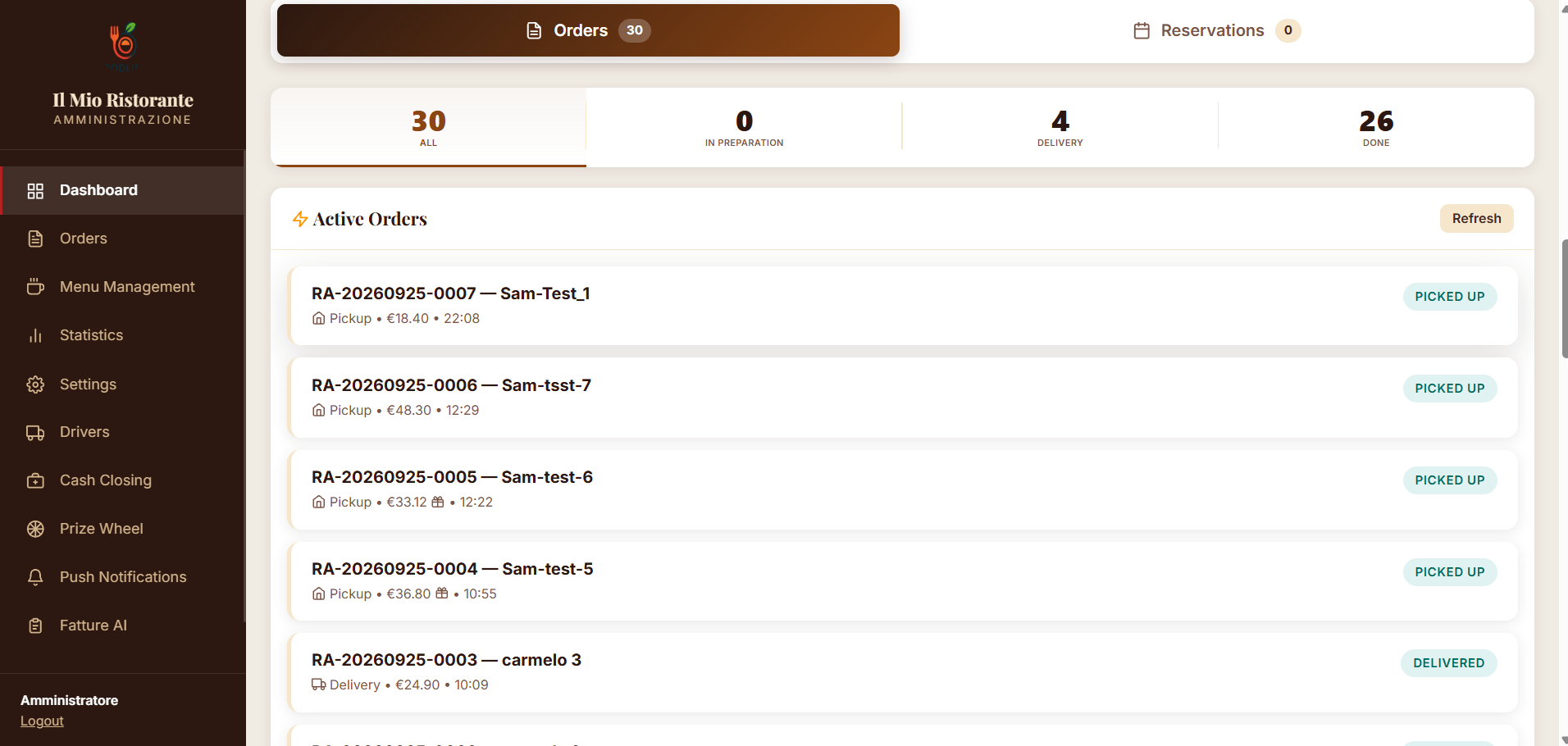
OmniAgent OS — self-hosted agentic system, multi-provider routing, human approval gate and automated SRE diagnostics. Architecture, backend, frontend and deployment: one person.

3 days
to first commit
1
technical counterpart
3 weeks
to a working prototype
48 hours
to a written assessment
Lowegate Studio
OmniAgent OS
Approval requests
live
    on your servers human approval enabled
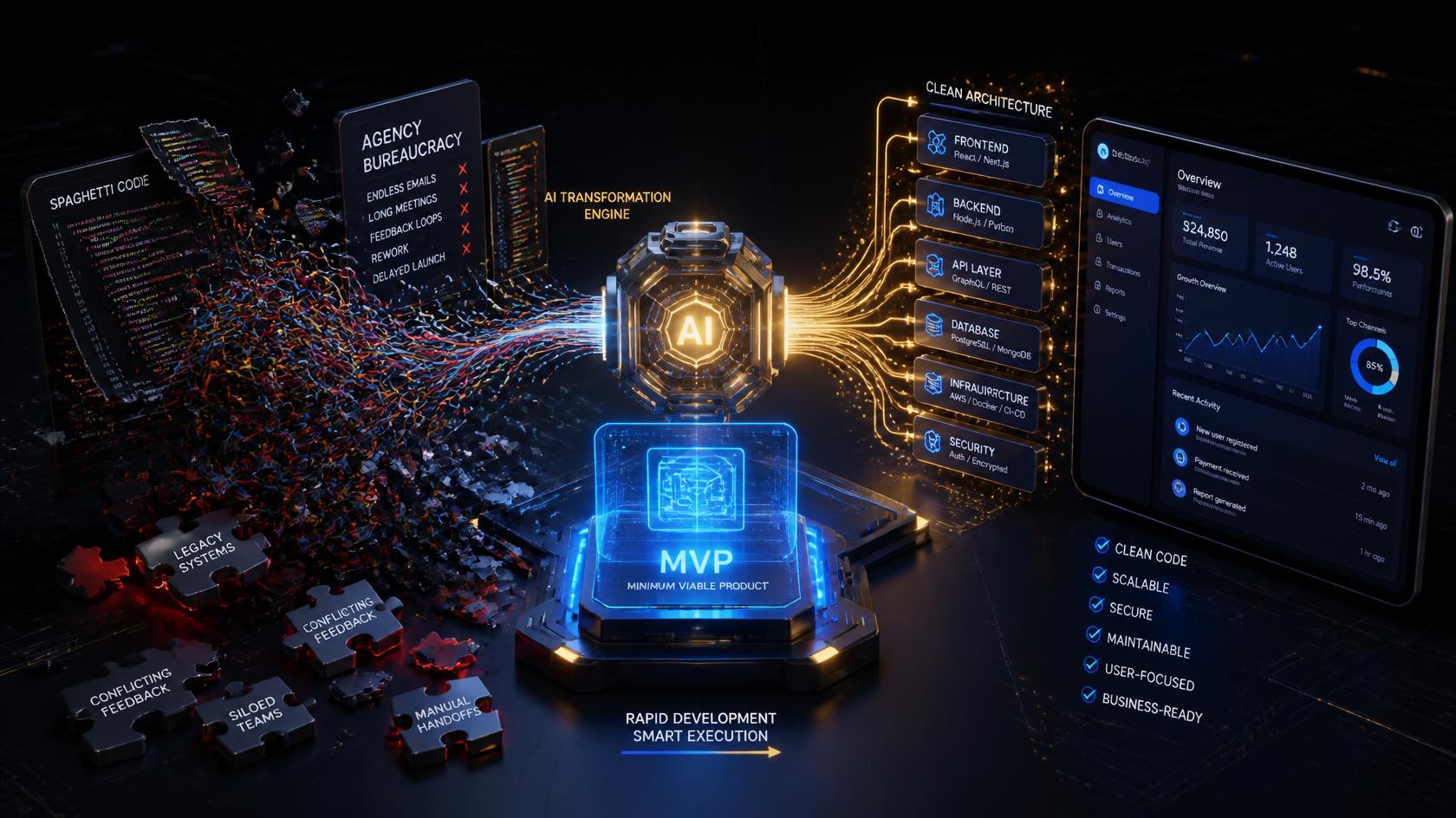
    Left to right: fragmented code, agency bureaucracy, siloed teams and manual handoffs; a transformation engine in the centre; on the right a clean architecture — frontend, backend, API, database, infrastructure, security — and the product live on a dashboard.
    On the left, where almost every project I take on begins. On the right, where it has to end up.
    Problems I actually solve

    Four blockers that cost quarters

    If you recognise one of them, the problem isn't your team.

    The design is ready, the code isn't

    «The mockups were signed off three weeks ago. Front-end hasn't started.»
    Real cause

    Every handoff between design and engineering is a translation, and every translation loses context. The time doesn't go into the code — it goes into clarifications.

    What I do

    I take the design file through to production components with nobody in between. Design system and codebase become the same artefact, not two documents kept in sync by hand.

    Output

    A navigable interface in staging within the first week, with reusable, documented components.
    You need something that works, and you need it now

    «We have to show the board a real product in six weeks.»
    Real cause

    An agency spends six weeks on discovery, quoting and onboarding. The first commit lands after your deadline has passed.

    What I do

    Discovery in one day, architecture in two, building from day three. A prototype with a real backend and real data — not a clickable mockup.

    Output

    A working application on a protected URL in 3 weeks, source code included.

    Every feature costs more than the last

    «Six months ago we shipped every two weeks. Now every release is a risk.»
    Real cause

    Architectural debt. The team has been inside it too long to see it, and nobody has the mandate to stop and look from the outside.

    What I do

    An external audit in 7 days: I map dependencies, breaking points and the real cost of each area. I tell you what to rebuild, what to leave alone, and in what order.

    Output

    A written report with a prioritised roadmap and an impact estimate for every intervention.

    You need AI, but the data can't leave

    «We want to automate, but we can't send our data to an external provider.»
    Real cause

    Vertical AI platforms solve the use case and break compliance. Self-hosted alternatives demand skills the team doesn't have in house.

    What I do

    Agents that run inside your perimeter, with multi-provider routing, fallback, and mandatory human approval on every irreversible action.

    Output

    An agentic system running on your infrastructure, with a signed audit log of every action.

    Productised services

    Three closed scopes. Duration and boundaries fixed before we start.

    No time & materials that keeps climbing. You know what you get, and when.

    7 days

    Architecture Audit

    Who it's for

    Teams of 3 to 20 developers whose delivery speed is dropping, or anyone deciding whether to rebuild or repair.

    What's included
    • Read access to repositories and infrastructure
    • A map of dependencies and breaking points
    • Technical debt analysis, area by area
    • Performance and cloud-cost benchmarks
    • PDF report with a prioritised roadmap
    • A 90-minute debrief with the team
    Outcome

    An ordered list of interventions with estimated impact and cost. The report is yours even if we never work together.

    Guarantee

    If the report doesn't identify at least three interventions with measurable impact, you don't pay for it.

    Price fixed in the 48-hour feasibility assessment
    3 weeks

    Working Prototype

    Who it's for

    Anyone who needs to validate a hypothesis with real users, or present to a board, a client or an investor.

    What's included
    • One-day discovery, remote or on site
    • Architecture and stack decisions, justified in writing
    • Full-stack development
    • Deployment to a protected, shareable environment
    • Source code and documentation handed over
    Outcome

    An application that genuinely works, with a real backend and real data. To show, to test, and to throw away without regret if the hypothesis is wrong.

    Guarantee

    Scope fixed at discovery. If it changes, we renegotiate before any code is written — never mid-build.

    Price fixed in the 48-hour feasibility assessment
    8–12 weeks

    End-to-End MVP

    Who it's for

    Pre-seed and seed startups without a CTO, and SMEs launching a digital line without building an in-house team.

    What's included
    • Architecture and full-stack development
    • Infrastructure, CI/CD, environments
    • Monitoring and alerting
    • Technical documentation
    • Structured handover to your team or your future CTO
    Outcome

    A product in production with real users, and someone inside the company able to maintain it without me.

    Guarantee

    A release every two weeks to an environment you can open. You watch the software grow, not the progress slides.

    Price fixed in the 48-hour feasibility assessment

    Not sure which one you need?

    Describe the blocker in three lines. Within 48 hours you get my feasibility assessment, a proposed approach and an order of magnitude for time and cost — even if the answer is that I'm not the right person.

    Request a Feasibility Assessment
    Proof of work

    What I've built

    Problem, constraint, solution. The constraint is the field that makes everything else credible: anyone can claim to have solved a problem, only someone who was there can say under what limits.

    Lowegate Studio

    OmniAgent OSExhibit A

    In-house product · inspectable
    Context

    Proprietary product. Built out of the need to run AI agents on the infrastructure of clients who cannot expose data to external providers.

    Problem

    An autonomous agent running commands on production servers is useful and dangerous in equal measure. Nothing on the market held autonomous execution and verifiable human control together.

    Constraint

    It has to run in air-gapped environments, with no cloud dependencies, and stay usable by an SRE who isn't an AI specialist.

    Built

    Self-hosted agentic runtime with multi-provider routing and fallback; human approval gate with a cryptographic signature on every irreversible action; automated SRE diagnostics with PDF report generation.

    Stack · Role

    Python, Linux/SSH, Next.js, Docker, multi-provider LLMs · architecture, development, infrastructure and delivery: entirely mine.

    Lowegate Studio

    OrionEye + OmniAgentExhibit B

    In-house product · B2B
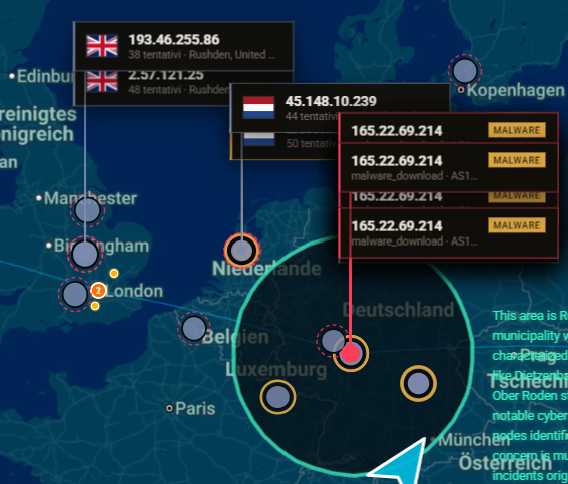
    Surveillance map on a dark base: geolocated IP addresses across Europe with their number of access attempts, nearby nodes clustered, a stream of malware events by address and autonomous system, and a written analysis generated for the selected area.
    Context

    Threat detection for B2B clients. OrionEye watches, OmniAgent acts, the USB vault holds: built for companies that cannot hand their security telemetry to a cloud service.

    Problem

    Identify the active malware trying to reach the server — or that already has — while the attack is happening, not afterwards by combing through logs.

    Constraint

    Data never leaves and is never stored in the OrionEye platform: it stays local on the USB vault. No centralised telemetry, no vendor-side copy.

    Built

    A real-time surveillance map: geolocated IPs with attempt counts, clustering of nearby nodes, a live stream of malware events by address and autonomous system, and a written analysis generated for the selected area.

    Stack · Role

    OrionEye, OmniAgent, USB vault · architecture, development and integration: entirely mine.

    The stack I use, in production

    Python
    Linux · SSH
    React / Next.js
    Tailwind CSS
    Docker
    LLM Multi-Provider
    Why single-threaded execution

    Why one person — and when not.

    Do the maths on your last multi-vendor project. How many hours of meetings went into aligning design, backend and infrastructure? How many times did a decision sit for three days waiting on someone else's confirmation?

    That time appears in no quote. You paid for it anyway.

    AgencyFreelancers you coordinateLowegate
    CounterpartsOne PM, plus a team you never meet3–4, and the coordination is yours1
    Sync pointsInternal — you don't see them, you pay for themAll on your shouldersNone
    Time to first commit4–6 weeks1–2 weeks3 days
    Architectural decisionsMade by committeeNobody makes themMade, and justified in writing
    Scales beyond 10 developersYesNoNo
    Vendor certificationsYesNoNo

    When I'm not the right choice

    • Projects needing more than six months of parallel development with teams of ten people or more.
    • Regulated sectors that require vendor certifications — ISO 27001, SOC 2 — as a condition of tender.
    • Maintenance with 24/7 SLAs and continuous on-call.

    In those cases I'll tell you on the first call and, where I can, point you towards someone better suited.

    About

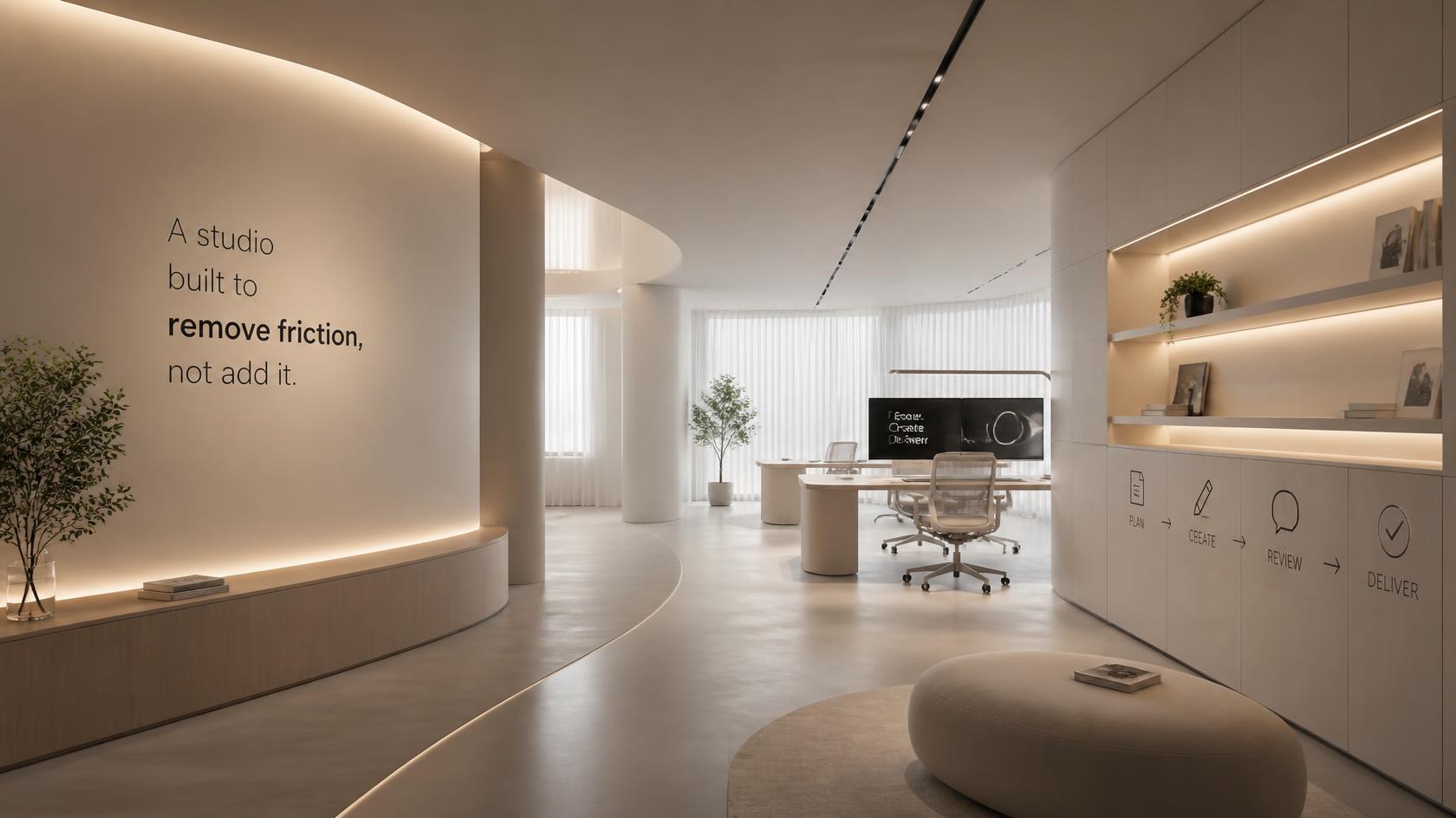
    A studio built to remove friction, not to add more of it.

    Lowegate started from a simple observation: on most software projects, time isn't lost writing code — it's lost waiting. Approvals, alignment meetings, quotes that take three weeks to arrive. The studio is built to remove that layer, not to manage it better.

    Problem solvers, not vendors of hours

    I don't sell man-days: I sell the end of a problem. Before a line of code is written we agree in writing what has to stop happening, and the project closes when it stops — not when the estimated hours run out.

    Outcome defined before the contract

    Speed and boundaries stated upfront

    Scope and duration are on the table before you sign, and the price comes with the 48-hour feasibility assessment — never mid-build. If the scope changes we renegotiate before touching the code. No surprise extras, no invoice line you have to ask about.

    Fixed-scope quote

    Rapid prototyping, rapid decisions

    A hypothesis debated for a month is worth less than a working prototype in three weeks. I build the smallest version you can put in front of a real user: the data makes the decision, not the meeting.

    From brief to first deploy in 3 days
    The vision

    The advantage isn't the price. It's the time you stop losing.

    Contract software is still stuck in a model made of intermediaries: someone sells, someone designs, someone builds, someone coordinates the builders. Every handoff adds cost and strips context, and neither one appears on the quote.

    Lowegate exists to prove that the same quality is now reachable with a structure an order of magnitude smaller — no internal bureaucracy, no chain of command, no weeks spent realigning people working on the same project.

    If your next project can't afford three weeks of onboarding, we already agree.

    Let's talk

    Describe the blocker.
    I'll tell you within 48 hours if I can solve it.

    No 45-minute discovery call to work out whether there's a project. Write the problem and get a written answer: feasibility assessment, proposed approach, order of magnitude for time and cost.

    A reply within 48 working hours
    A written assessment, not a sales call
    If it isn't feasible, I'll say so immediately
    Human gate

    I reply personally. No automated sequences, no sales rep calling you.
    Your details are used only to reply to you.